

The 2026 BMW i4 is designed for drivers who want an electric car that still feels fun, comfortable, and premium every time they drive. As more people think about switching to electric vehicles, BMW continues to prove that performance and luxury can still go hand in hand. The 2026 BMW i4 blends sporty handling, modern technology, and everyday practicality into one sleek electric sedan.
If you are comparing luxury electric vehicles and deciding what fits your lifestyle, this guide walks you through the most important details. Below, you will find a clear look at design, performance, range, pricing, interior features, and the 2026 BMW i4 new features that make this model year worth considering.
BMW’s Approach to Electric Driving
BMW has built its reputation on vehicles that feel engaging and confident on the road. As the auto industry moves toward electric power, BMW has stayed focused on keeping that familiar driving feel. Instead of making electric cars that feel disconnected, BMW designs EVs that still feel like BMWs.
The i4 fits perfectly into that approach. It does not feel experimental or overly complicated. It feels like a natural step forward for drivers who already enjoy BMW sedans.
Exterior Design That Feels Sporty and Refined
Clean Lines With a Sporty Profile
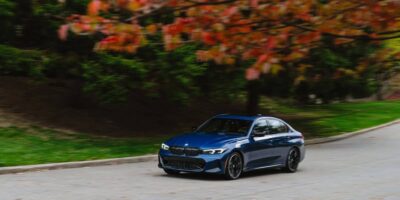
The 2026 BMW i4 keeps its coupe-inspired shape, which gives it a sporty look without sacrificing everyday usability. The low roofline, wide stance, and smooth body lines help it stand out while still looking refined and balanced.
Exterior highlights include:
- A closed kidney grille designed for electric efficiency
- Slim LED headlights with updated lighting details
- New wheel designs focused on style and range
- Fresh exterior color choices
These updates help the i4 look current while staying true to BMW’s design language.
Built With Efficiency in Mind
Aerodynamics play a big role in electric vehicle performance. BMW made subtle changes to improve airflow around the i4, which helps with range and stability at highway speeds. While these details are easy to miss, they make a noticeable difference in everyday driving.
Interior Comfort and Everyday Usability
A Cabin Designed for Daily Driving
Inside the 2026 BMW i4, the cabin feels clean, comfortable, and well organized. Controls are easy to reach, seating feels supportive, and materials reflect the car’s luxury position without feeling overdone.
Interior comfort highlights include:
- Front seats with available heating and ventilation
- Comfortable rear seating for passengers
- High-quality materials throughout the cabin
- Ambient lighting that adds warmth at night
Everything inside the i4 is designed to make daily driving easier and more enjoyable.
Infotainment and Digital Displays
BMW’s curved display remains a key feature inside the i4. It combines the digital instrument cluster and central touchscreen into one smooth layout. Menus are easy to understand, and the system responds quickly.
Drivers can expect:
- Wireless smartphone integration
- Voice commands for navigation and media
- Over-the-air software updates
- Customizable display layouts
The system is built to feel helpful rather than overwhelming.
2026 BMW i4 New Features
What’s New for This Model Year
The 2026 BMW i4 new features focus on refinement and ease of use. Instead of major changes, BMW improved areas that drivers interact with every day.
Updates include:
- Smoother infotainment software
- More driver assistance features available across trims
- Improved battery management for better efficiency
- New interior trim and color options
These updates may seem small on their own, but together they improve the overall ownership experience.
Smarter Technology for Real Driving
Navigation tools now do a better job of planning routes that include charging stops, which is especially helpful on longer trips. Driver assistance systems have also been fine-tuned to provide support without feeling intrusive.
Performance and Driving Feel
Electric Power That Feels Natural
One of the biggest strengths of the 2026 BMW i4 is how it feels on the road. Instant electric torque provides quick acceleration, while smooth power delivery makes driving feel relaxed and controlled.
Performance highlights include:
- Strong acceleration from a stop
- Confident passing power on the highway
- Balanced steering with good feedback
- A low center of gravity that improves handling
Even drivers who are new to electric vehicles often feel comfortable behind the wheel right away.
For drivers planning longer journeys, our BMW road trip comfort and tech guide offers practical advice on route planning, charging stops, and making the most of in-cabin technology during extended drives.
Ride Comfort and Handling Balance
BMW tuned the suspension to balance comfort and control. Rough roads are handled well, while the i4 remains composed through corners. Available adaptive suspension allows drivers to adjust the ride to suit different driving conditions.
Battery Range and Charging Options
Thinking about range and charging is normal when you are shopping for an EV. With the 2026 BMW i4, the goal is simple: give you enough real-world range for daily life, plus flexible charging choices so you can recharge at home, at work, or on the road without a lot of hassle.
Below is a clear, practical breakdown of what to expect, what impacts range, and how charging usually works in day-to-day ownership.
Range That Fits Everyday Life
The 2026 BMW i4 offers a driving range that works well for most routines, including commuting, school drop-offs, errands, and weekend plans. Many drivers plug in at home a few nights a week and do not feel like they are constantly searching for a charger.
That said, range is not a single fixed number that never changes. Your actual range depends on how, where, and when you drive.
What affects your real-world range?
Here are the biggest factors that can change how far your 2026 BMW i4 goes on a charge:
- Driving speed: Higher speeds (especially steady highway driving) typically use more energy than city driving.
- Acceleration habits: Quick launches are fun, but they use more battery than smooth, steady starts.
- Outside temperature: Cold weather can reduce range, and extreme heat can also have an effect.
- Cabin climate use: Heat and air conditioning draw power from the battery.
- Wheel and tire setup: Larger wheels and performance tires can reduce efficiency compared to smaller, more range-focused setups.
- Road conditions: Hilly routes, rough pavement, and strong headwinds can increase energy use.
- Vehicle load: Extra passengers or heavy cargo can slightly reduce range.
- Tire pressure: Underinflated tires create more rolling resistance, which can chip away at efficiency.
If you want to dive deeper into specific strategies and daily habits that can help extend your driving distance, our guide on maximizing i4 battery life and efficiency covers advanced techniques and real-world testing results.
How this plays out in real life
Most drivers do not use 100 percent of the battery every day, and most do not need to. A common EV routine looks like this:
- Plug in at home in the evening, or a couple of times per week.
- Drive normally during the day.
- Top off again when it is convenient.
If you have a 20 to 40 mile daily commute, the i4 typically feels very comfortable for that kind of schedule. Even if your day is busier than usual, you still have plenty of buffer without feeling like you must charge daily.
Simple habits that help you get more range
You do not need to drive like a robot to stretch range, but a few small habits can help:
- Pre-condition the cabin while plugged in (warm up or cool down before you leave).
- Use seat heaters instead of blasting cabin heat when possible.
- Keep speeds reasonable on long highway drives.
- Try a smooth driving style in traffic (fewer hard stops and launches).
- Keep tires properly inflated.
- Plan routes with charging stops for longer trips, rather than waiting until the battery is very low.
Flexible Charging Solutions
Charging the 2026 BMW i4 is straightforward once you know the basics. Most owners rely on home charging as their main setup, then use public charging only when needed for longer drives.
Home charging: the easiest option for most people
Home charging is usually the most convenient because it happens while you sleep or while the car is parked.
Level 1 charging (standard wall outlet)
- Uses a typical household outlet.
- Best for very light driving or as a backup.
- Slow charging, so it is not ideal if you drive a lot every day.
Level 2 charging (240V home charger)
- This is the “sweet spot” for many EV owners.
- Much faster than a standard outlet.
- Often makes overnight charging easy and routine.
If you are considering the i4, Level 2 charging at home is usually the most practical setup. It turns charging into a simple habit, similar to charging your phone.
Public charging: helpful for trips and busy weeks
Public charging is useful when you cannot charge at home, when you want extra range quickly, or when you are traveling.
DC fast charging (public fast chargers)
- Designed for faster charging on the go.
- Great for road trips and quick top-ups.
- Best used when you want to add range during a short stop.
A realistic road-trip rhythm often looks like this:
- Drive for a few hours.
- Stop to stretch, grab food, and charge.
- Continue on your route.
Fast charging is not meant to replace home charging every day, but it is a very useful tool when you need it.
Questions Readers Often Ask About Range and Charging
“How often will I have to charge the 2026 BMW i4?”
It depends on your daily miles and whether you can charge at home. Many owners plug in a few nights per week rather than every night. If you have a longer commute, you may charge more often. The key is that you can build a routine around your schedule.
“Is it better to charge every day or wait until the battery is low?”
Many EV owners prefer frequent, convenient top-ups rather than letting the battery get very low. Think of it like keeping your phone charged. For long-term battery health, it is common to avoid sitting at very low or very high charge levels for long periods. Your owner’s manual and BMW’s in-car guidance can help you set a routine that fits.
“Can I charge the 2026 BMW i4 at home if I rent or live in an apartment?”
Sometimes, yes. It depends on whether your building offers EV charging, allows installation, or has accessible outlets in your parking area. If you cannot charge at home, you will likely rely more on workplace charging or nearby public chargers. Many i4 owners make this work, but it is worth thinking through your weekly routine ahead of time.
“How long does charging take?”
Charging time depends on the charger type and how full the battery already is.
- Level 1: slow, better as a backup
- Level 2: typically works well overnight
- DC fast charging: much quicker for adding range during a trip
Also, charging speed can slow down as the battery gets closer to full, which is normal for EVs.
“Is fast charging bad for the battery?”
Occasional fast charging is normal, especially for trips. Many owners use fast charging when needed and rely on Level 2 at home for daily charging. The i4’s battery management system is designed to help protect the battery over time.
“What should I do before a road trip?”
A few steps make road trips smoother:
- Start with a high charge if possible.
- Plan your route with charging stops in mind.
- Choose fast chargers near food or restrooms so stops feel productive.
- Expect charging to be quicker when you arrive with a lower state of charge than when the battery is already high.
Quick Takeaways for Everyday Drivers
If you are considering the 2026 BMW i4, here are the main points to remember about range and charging:
- The range works well for typical commuting and errands.
- Real-world range changes based on speed, weather, and climate settings.
- Level 2 home charging is the easiest long-term solution for most owners.
- DC fast charging is ideal for road trips and quick top-ups away from home.
- A simple charging routine can make EV ownership feel easy and predictable.
Pricing and Trim Levels
What Buyers Can Expect
Pricing for the 2026 BMW i4 reflects its place in the luxury electric sedan market. While it costs more than entry-level EVs, it remains competitive within its class.
Buyers can expect:
- A base trim focused on comfort and efficiency
- Mid-level trims with added features and power
- Performance-focused versions with quicker acceleration
Final pricing depends on trim level and selected options.
Long-Term Ownership Value
Electric vehicles often cost less to maintain over time due to fewer moving parts. Charging can also be more affordable than fueling a gas vehicle. These factors help balance the higher upfront cost for many owners.
Safety and Driver Assistance
Added Confidence Behind the Wheel
The 2026 BMW i4 includes a wide range of safety and driver assistance features designed to support everyday driving. These systems help monitor surroundings and provide alerts when needed.
Available safety features include:
- Automatic emergency braking
- Lane departure warning
- Blind spot monitoring
- Adaptive cruise control on select trims
These features add peace of mind without taking away from the driving experience.
If you want to understand exactly how each of these driver assistance features works in practice, including tips for getting the most out of adaptive cruise control and lane keeping systems, we have a detailed breakdown that explains the technology behind each feature.
How the i4 Fits Into the Luxury EV Market
A Balanced Option
The luxury electric sedan market continues to grow, but the i4 stands out by offering balance. Some competitors focus heavily on technology, while others emphasize speed. The i4 combines performance, comfort, and quality in a way that feels approachable and familiar.
Drivers who enjoy a connected driving feel often appreciate what the i4 offers.
Everyday Ownership Experience
Designed for Real Life
The i4 works well as a daily driver. Four doors, a practical trunk, and comfortable seating make it easy to live with. Quiet operation and smooth acceleration also help reduce stress during longer drives.
Ownership Over Time
Electric vehicles generally require less routine maintenance than gas-powered models. BMW also offers coverage for key electric components, which adds confidence for long-term ownership.
Frequently Asked Questions About 2026 BMW i4
What makes the 2026 BMW i4 different from earlier models?
The 2026 BMW i4 includes updated software, improved efficiency, and expanded driver assistance features. These updates improve everyday usability while keeping the same familiar driving feel.
How far can the 2026 BMW i4 drive on a full charge?
Driving range depends on trim and conditions, but the 2026 BMW i4 offers enough range for most commutes and road trips with proper planning.
Are there performance versions of the 2026 BMW i4?
Yes, BMW offers trims designed for drivers who want stronger acceleration and sportier handling.
How long does it take to charge the 2026 BMW i4?
Charging time depends on the charger used. Home Level 2 charging works well overnight, while DC fast charging adds range more quickly during travel.
Is the 2026 BMW i4 a good choice for first-time EV buyers?
The 2026 BMW i4 is a strong option for first-time EV buyers thanks to its familiar driving feel, helpful technology, and comfortable interior.
Final Thoughts on the 2026 BMW i4
The 2026 BMW i4 shows that electric driving can still feel enjoyable, comfortable, and premium. With thoughtful updates, engaging performance, and a refined interior, it offers a well-rounded option for drivers considering a luxury electric vehicle. From daily commuting to longer trips, the 2026 BMW i4 fits easily into modern life.
If you are thinking about making the switch to an electric BMW, contact Braman BMW of West Palm Beach for more information and to explore available options.
Recent Posts
-

2026 BMW X3 Review: Expert Insights, Pricing, and Trims
February 03, 2026 -

2026 BMW i4 Review, Pricing, and Specs
February 02, 2026 -

2026 BMW X5 SUV: Model Overview, Features, and Specs
January 22, 2026 -
2026 BMW 3 Series Sedan: Model Overview, Features, and Specs
January 08, 2026 -

xDrive vs. sDrive: Which Drivetrain Fits Your Driving Style?
December 02, 2025


